Hybrid Inverter Installation Guide
Learn how to install a hybrid inverter with this easy guide covering planning, installation steps, and common mistakes to avoid.
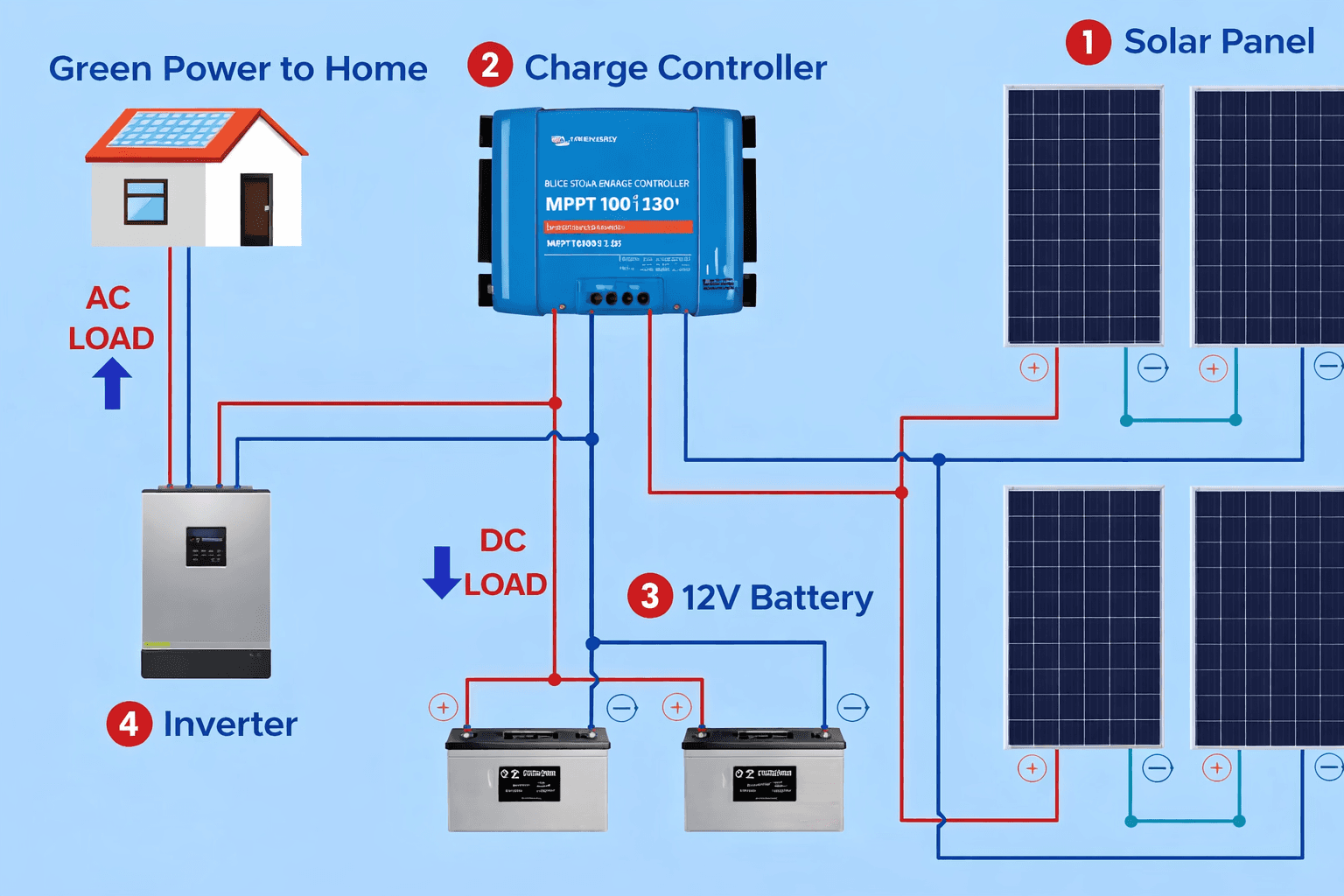
As energy costs continue to rise and power reliability becomes a growing concern, many homeowners and businesses are turning to hybrid solar systems. At the heart of these systems is the hybrid inverter, a smart device that manages power from solar panels, batteries, and the utility grid. While hybrid inverters offer flexibility and efficiency, proper installation is critical to ensure safety, performance, and long-term savings.
This guide walks you through everything you should know before installing a hybrid inverter—from preparation and system requirements to common mistakes and post-installation checks.
What Is a Hybrid Inverter?
A hybrid inverter is a multifunctional device that combines the features of a solar inverter and a battery inverter into one unit. It converts DC electricity from solar panels into AC power for household use, stores excess energy in batteries, and seamlessly switches to grid power when needed. Unlike traditional inverters, hybrid models allow you to use solar energy even during grid outages (when paired with batteries).
Because of this complexity, installing a hybrid inverter requires careful planning and professional execution.
Pre-Installation Planning
Before installation begins, proper planning is essential. This stage determines how well your system will perform in real-world conditions.
1. Assess Your Energy Needs
Start by analyzing your electricity consumption. Review your power bills to understand daily usage patterns, peak loads, and backup requirements. This helps determine the inverter capacity and battery size you’ll need.
2. Choose the Right Hybrid Inverter
Hybrid inverters come in different capacities and features. Some support high battery voltages, while others are better for small residential systems. Make sure the inverter is compatible with:
Your solar panel configuration
Battery type (lithium-ion or lead-acid)
Local grid standards and voltage levels
3. Check Local Regulations
Many regions require permits, inspections, and grid approval before installing solar equipment. Ensure your installer complies with electrical codes and utility requirements to avoid legal or safety issues later.
Installation Location Matters
Choosing the right location for your hybrid inverter is more important than many people realize.
Install the inverter in a cool, dry, and well-ventilated area
Avoid direct sunlight, moisture, and dust exposure
Ensure easy access for maintenance and monitoring
Mount it close to the main distribution board to minimize cable losses
Wall-mounted installations are common, but the wall must be strong enough to support the inverter’s weight.
Hybrid Inverter Installation Process
While installation should always be handled by a certified professional, understanding the process helps you stay informed.
Step 1: Mounting the Inverter
The inverter is securely mounted on the wall using manufacturer-approved brackets. Proper spacing is maintained around the unit for airflow and safety.
Step 2: Connecting Solar Panels
DC cables from the solar panels are connected to the inverter’s PV input terminals. Correct polarity is crucial—any wiring mistakes can damage the inverter.
Step 3: Battery Connection
The battery bank is connected using dedicated DC cables. Most modern hybrid inverters include battery management systems, but correct voltage matching is still essential.
Step 4: Grid and Load Connection
The inverter is connected to the utility grid and your home’s electrical distribution board. This allows power to flow between solar, battery, grid, and household appliances as needed.
Step 5: Grounding and Protection
Proper earthing, surge protection devices, and circuit breakers are installed to protect the system from electrical faults and lightning surges.
System Configuration and Settings
Once wiring is complete, the inverter must be configured correctly.
Set operating modes (solar priority, battery priority, or grid priority)
Configure battery charging and discharging limits
Set backup load preferences
Sync grid parameters according to utility standards
Many hybrid inverters include mobile apps or online portals for real-time monitoring, allowing users to track energy production and consumption easily.
Common Installation Mistakes to Avoid
Even high-quality equipment can underperform if installed incorrectly. Common mistakes include:
Incorrect inverter sizing
Poor ventilation leading to overheating
Improper grounding
Using incompatible batteries
Skipping professional inspection and testing
Avoiding these issues ensures system reliability and extends the lifespan of your inverter.
Post-Installation Checks and Testing
After installation, thorough testing is essential.
Verify solar input and battery charging
Test grid backup and power switching
Confirm monitoring software is working
Ensure safety protections activate correctly
Your installer should also provide documentation, warranty details, and basic training on system operation.
Maintenance and Long-Term Care
Hybrid inverters require minimal maintenance, but regular checks help maintain efficiency.
Keep vents clean and unobstructed
Monitor system performance through the app
Inspect wiring annually
Update firmware when recommended by the manufacturer
With proper care, a hybrid inverter can last 10–15 years or more.
Final Thoughts
Installing a hybrid inverter is a smart investment for anyone looking to reduce electricity bills, increase energy independence, and prepare for power outages. However, success depends on choosing the right equipment, following proper installation practices, and working with experienced professionals.
By understanding the installation process and key considerations outlined in this guide, you’ll be better prepared to make informed decisions and get the most out of your hybrid solar system.