How to Select the Best Hybrid Inverter for Your Solar System
Learn how to select the best hybrid inverter for your solar system with our step-by-step guide, tips on efficiency, compatibility, and smart energy management for maximum savings.
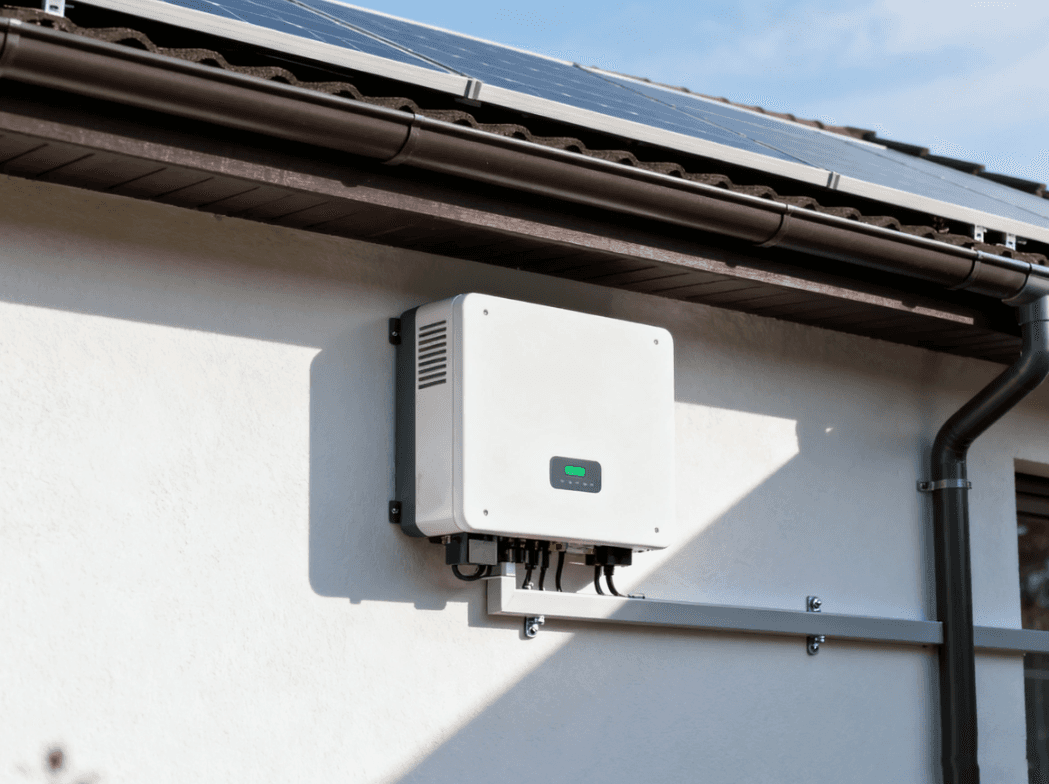
With the rising adoption of solar energy worldwide, homeowners and businesses increasingly seek ways to maximize the efficiency and reliability of their systems. One of the most crucial components in a solar installation is the hybrid inverter — a device that not only converts DC power from solar panels into usable AC power but also manages battery storage and grid interaction. Choosing the right hybrid inverter can significantly impact your system’s performance, longevity, and return on investment.
How to Select the Best Hybrid Inverter for Your Solar System
Here are the steps on how to select the best hybrid inverter for your solar system.
1. Understand What a Hybrid Inverter Does
A hybrid inverter combines the functions of a solar inverter and a battery inverter into one unit. Unlike traditional inverters that only convert solar DC to AC power, hybrid inverters:
Manage energy from solar panels.
Store excess energy in batteries.
Supply energy to your home or business when needed.
Interact with the grid intelligently (charging during off-peak times and exporting surplus energy).
This multifunction capability makes hybrid inverters ideal for systems with energy storage and those looking to improve reliability during outages.
2. Assess Your Energy Needs
Before selecting a hybrid inverter, calculate your energy requirements:
a) Total Load Demand
List all appliances and devices to estimate peak and daily energy consumption. This determines the inverter’s power rating (in watts or kilowatts).
b) Solar Panel Capacity
Your inverter must match or slightly exceed your solar array’s capacity to avoid energy losses. For example, a 5 kW solar array should pair with a 5 kW (or slightly higher) hybrid inverter.
c) Battery Storage Size
Determine your planned battery capacity (in kWh). The hybrid inverter should support charging and discharging at rates compatible with your battery bank.
3. Check System Compatibility
Hybrid inverters must work seamlessly with:
Solar Panels
Ensure the inverter supports the voltage and current generated by your panels. Key specifications include:
Maximum PV input voltage
MPP (Maximum Power Point) voltage range
Number of MPPTs (Maximum Power Point Trackers)
Multiple MPPTs help optimize performance when panels face different orientations or shading.
Battery Type
Different batteries (lithium-ion, lead-acid, etc.) require specific charging algorithms. Make sure the inverter supports your battery chemistry and voltage.
4. Prioritize Smart Energy Management Features
The smartest hybrid inverters offer advanced features that enhance performance and savings:
a) Time-of-Use (TOU) Optimization
Allows the inverter to charge batteries when electricity is cheap and discharge when rates are high.
b) Load Prioritization
Let's you assign critical loads (e.g., refrigerator, lights) to run during outages.
c) Grid Support Functions
Some inverters offer anti-islanding, frequency regulation, and reactive power support to stabilize the grid.
d) Monitoring and Control
Look for inverters with user-friendly apps or dashboards that display real-time data, historical performance, and remote control.
5. Understand Inverter Efficiency Ratings
Inverter efficiency indicates how effectively the system converts energy. A high-quality hybrid inverter should offer:
High Peak Efficiency: Ideally above 95%
High Euro Efficiency or CEC Weighted Efficiency: Reflects real-world performance
Higher efficiency means less energy wasted and better overall returns.
6. Consider Back-Up Power and Off-Grid Capabilities
If you live in an area with frequent power outages or want complete energy independence, look for hybrid inverters with:
Automatic backup switching
Off-grid mode
Seamless transition from grid to battery power
Some models even let you power your home entirely from solar and batteries during prolonged outages.
7. Evaluate Safety Certifications and Warranty
Safety and reliability are non-negotiable. Ensure your inverter has certifications like:
UL 1741 / IEEE 1547 (North America)
CE / IEC (International)
AS/NZS standards (Australia/New Zealand)
Also, check the warranty period — reputable brands offer 5–10 years or more, with optional extended warranties.
8. Compare Brand Reputation and After-Sales Support
Choosing a hybrid inverter from a trusted manufacturer ensures long-term support. Consider:
Brand reputation and market presence
Availability of service centers
Warranty response and spare parts availability
Customer reviews and installer recommendations
Brands with strong local support typically provide better service and faster resolution of issues.
9. Budget Wisely — Price vs. Performance
While it’s tempting to go for the cheapest option, investing in a quality hybrid inverter pays off with higher energy yields and durability. Balance upfront cost with:
Efficiency
Feature set
Warranty and expected lifespan
Future scalability
Sometimes paying a bit more upfront can lead to significant savings over the system’s life.
10. Future-Proof Your System
Choose inverters that allow for expansion. As solar technology evolves, you may want to:
Add more panels
Increase battery capacity
Integrate smart home energy systems
An inverter with scalable architecture and flexible connectivity helps protect your investment.
Conclusion: Choosing the Best Hybrid Inverter
Selecting the best hybrid inverter isn’t just about picking the highest wattage or lowest price. It’s about finding a unit that fits your energy needs, works with your system components, maximizes efficiency, and offers robust features for smart energy management.
By assessing your energy usage, matching compatibility with panels and batteries, prioritizing advanced features, and choosing trusted brands with solid warranties, you’ll ensure your solar system performs reliably and efficiently for years to come.