How a Hybrid Solar Inverter Works
Learn how a hybrid solar inverter works, combining solar panels, batteries, and grid power to deliver efficient, uninterrupted energy.
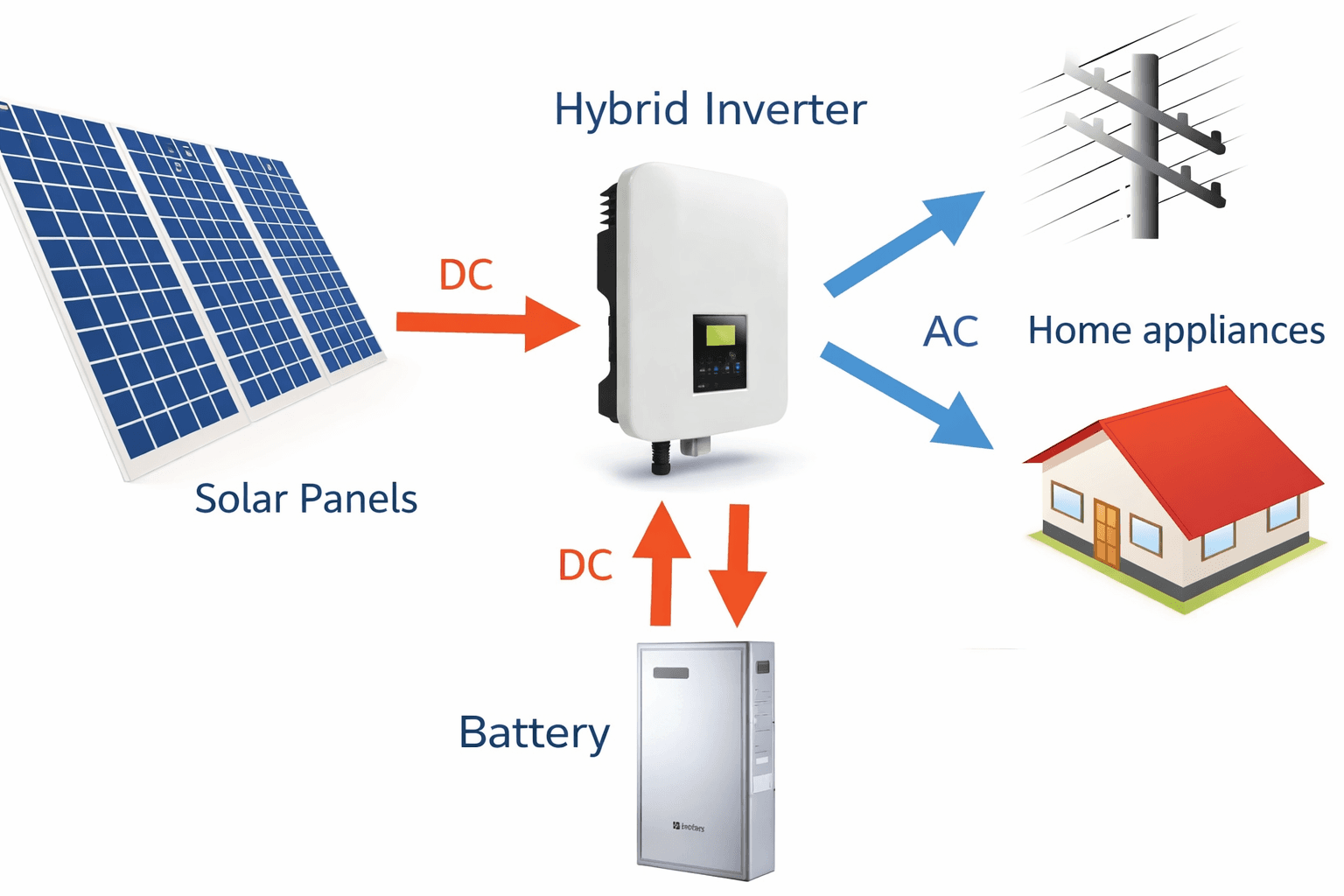
As the demand for renewable energy grows, hybrid solar inverters have become one of the most popular technologies in modern solar systems. A hybrid inverter combines the functions of a traditional on-grid inverter and an off-grid battery inverter into a single smart unit. It enables homeowners and businesses to utilize solar energy efficiently, store excess power in batteries, and draw electricity from the grid as needed.
How a Hybrid Solar Inverter Works – Step-by-Step
To understand how a hybrid inverter functions, let’s break it down into phases.
Step 1: Solar Panels Generate DC Power
The process begins when sunlight hits the solar panels. Solar panels convert sunlight into DC electricity. However, your home appliances run on AC electricity, so the DC power must be converted.
This is where the hybrid inverter comes in.
Step 2: Inverter Converts DC to AC Power
The hybrid inverter converts the DC energy from the solar panels into AC power. This AC power is immediately used to run home appliances like:
Air conditioners
Refrigerators
Lights
Fans
Washing machines
Using solar power first helps reduce grid electricity consumption and lowers your monthly bills.
Step 3: Excess Energy Is Stored in the Battery
If your solar panels produce more electricity than your home needs, the hybrid inverter stores the excess energy in the battery bank.
This stored energy can later be used:
At night, when solar panels stop working
During peak electricity hours (when grid rates are expensive)
During power outages
This is one of the biggest advantages of hybrid inverters—they allow you to store and use solar energy at any time.
Step 4: Battery Supplies Power When Needed
When there is insufficient sunlight or electricity demand increases, the hybrid inverter automatically switches to battery power.
For example:
If it’s evening and solar production is low
During cloudy weather
During a blackout
The inverter draws energy from the batteries and powers your home without interruption.
Step 5: Grid Power as Backup
Hybrid inverters also remain connected to the grid. If both solar and battery power are not sufficient, the inverter pulls electricity from the grid.
This ensures:
Continuous power supply
No energy wastage
Smooth transition between power sources
This seamless switching of power sources makes hybrid inverters more reliable than traditional solar systems.
Smart Energy Management System
One of the key features of hybrid inverters is their intelligent energy management system (EMS).
The inverter constantly monitors:
Solar energy production
Battery charge level
Home electricity demand
Grid availability
Energy flow direction
Based on real-time conditions, it automatically decides:
When to use solar
When to charge the battery
When to discharge the battery
When to draw power from the grid
When to send excess power back to the grid
This smart decision-making maximizes efficiency and reduces electricity costs.
Net Metering with Hybrid Inverters
Hybrid inverters also support net metering, which means:
If your solar system generates extra energy that neither your home nor your batteries need, the inverter sends it back to the grid.
You receive credits from your electricity provider, which further lowers your electricity bill.
Hybrid inverters give you the flexibility to choose between:
Storing excess energy
Selling it back to the grid
This makes them financially beneficial for long-term use.
Backup During Power Outages
Unlike traditional on-grid inverters that shut down during power failures, hybrid inverters keep running.
They instantly switch to battery power, ensuring that your essential appliances continue working, such as:
Internet router
Lights
Fans
Refrigerator
Medical equipment
This automatic backup capability makes hybrid inverters ideal for areas with load-shedding or unstable grid supply.
Why Hybrid Inverters Are the Future
Hybrid inverters offer the best of both on-grid and off-grid systems. They provide:
Energy independence
Lower electricity bills
Backup power during outages
Smart monitoring through apps
Better battery management
Higher efficiency
With growing energy demand and rising power costs, hybrid inverters are becoming the preferred choice for homeowners and businesses worldwide.
Conclusion
A hybrid solar inverter is a smart, efficient, and versatile solution that allows you to get the most out of your solar system. By converting solar energy into usable power, storing excess electricity in batteries, and managing energy flow intelligently, a hybrid inverter ensures maximum savings and uninterrupted power.
Whether you want lower bills, backup power, or greater energy independence, understanding how a hybrid solar inverter works helps you choose the right system for your needs.