How to Prevent Rust and Corrosion in Diesel Generators
Prevent rust and corrosion in your diesel generator with expert tips on cleaning, storage, fuel care, and maintenance to ensure long-lasting performance.
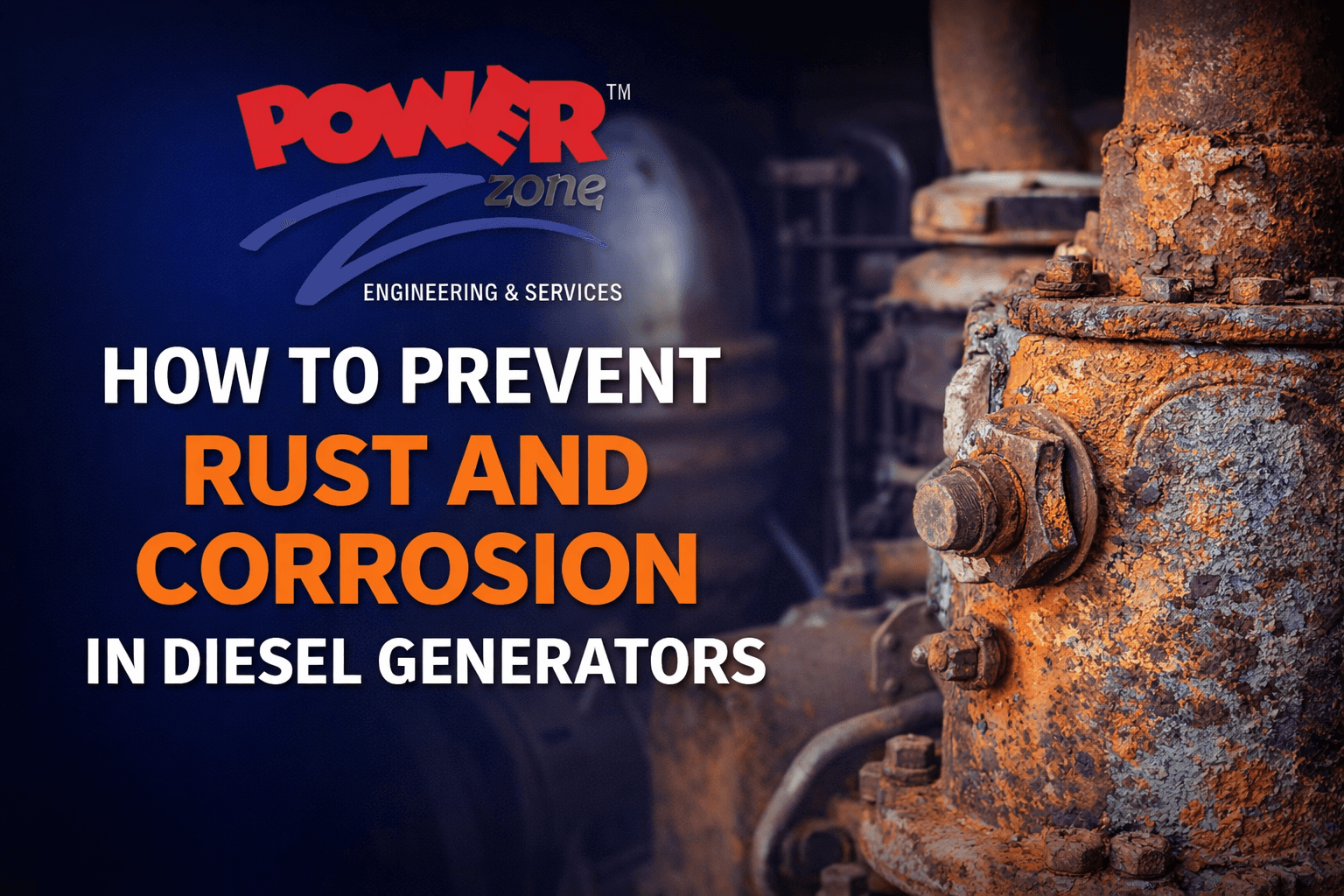
Diesel generators play a critical role in ensuring an uninterrupted power supply, especially in Pakistan, where power outages are common in both urban and rural areas. For businesses, hospitals, schools, and even households, a reliable diesel generator can mean the difference between smooth operations and costly disruptions. However, like any machinery, diesel generators are susceptible to wear and tear over time. Among the most damaging issues is rust and corrosion, which can compromise the efficiency, safety, and lifespan of the generator.
Preventing rust and corrosion is not just about maintaining aesthetics—it’s about protecting the heart of your power system. Even minor rust spots can expand into severe damage, affecting vital components like the fuel tank, engine block, and alternator. By taking proactive steps, you can ensure your generator runs smoothly for years, saving both money and downtime.
How to Prevent Rust and Corrosion in Diesel Generators
Below are the key details that explain how to prevent rust and corrosion in diesel generators and ensure long-term reliabilit
Regular Cleaning and Inspection
The first step in preventing rust and corrosion is regular cleaning and inspection. Dust, dirt, and grease can trap moisture, creating the perfect environment for rust to develop. Clean your generator’s exterior with a soft cloth and mild detergent regularly. Avoid using abrasive materials that can scratch the paint or protective coatings, as scratches can become starting points for rust.
Inspect your generator at least once a month for any signs of corrosion, rust spots, or leaks. Pay special attention to the fuel tank, battery terminals, exhaust system, and any exposed metal parts. Early detection allows you to address problems before they escalate into major repairs.
Proper Storage and Environmental Protection
Where and how you store your diesel generator significantly impacts its susceptibility to rust and corrosion. Generators should be stored in a dry, well-ventilated area away from direct sunlight, rain, and moisture. If outdoor installation is unavoidable, invest in a high-quality weatherproof cover that fits securely and prevents water ingress.
Using dehumidifiers or silica gel packs in enclosed generator rooms can help control moisture levels. For generators installed in coastal areas, additional protective coatings or anti-corrosion sprays can offer a barrier against salty air.
Fuel and Oil Maintenance
Fuel and lubricants can also contribute to corrosion if not properly maintained. Diesel fuel can attract water over time, especially in humid climates, leading to rust formation inside the fuel tank. Using high-quality fuel and adding anti-water additives can reduce this risk. Regularly drain and clean the fuel tank to remove water and sediment buildup.
Similarly, engine oil provides a thin protective layer on moving metal parts. Regular oil changes and using the correct grade of oil recommended by the generator manufacturer help prevent internal corrosion. Never allow oil levels to drop too low, as insufficient lubrication increases friction, heat, and wear.
Protective Coatings and Rust Inhibitors
Applying protective coatings and rust inhibitors is an effective way to safeguard your generator. Paint, primer, or specialized rust-resistant sprays create a barrier between metal surfaces and moisture. For parts prone to rust, such as the exhaust and fuel tank, anti-corrosion sprays should be applied periodically.
Some diesel generators come with factory-applied anti-corrosion coatings, but these may wear off over time. Reapplying protective coatings according to the manufacturer’s recommendations can extend the life of your generator significantly.
Routine Maintenance and Professional Servicing
Even with all preventive measures, diesel generators require routine maintenance by trained professionals. Regular servicing ensures that potential issues like minor rust, leaks, or corrosion are addressed before they cause severe damage. A professional service also includes checking electrical connections, fuel lines, and critical engine components for any signs of wear.
Keeping a maintenance log helps track inspections, oil changes, and protective treatments. This record not only improves the generator’s longevity but also increases its resale value if you decide to upgrade in the future.
Avoiding Common Mistakes
Several common mistakes can accelerate rust and corrosion. These include:
Ignoring minor rust spots, allowing them to spread.
Storing the generator directly on the ground in humid areas.
Using contaminated fuel or old lubricants.
Neglecting regular cleaning and protective coating applications.
By avoiding these pitfalls, you can maintain your generator in top condition and reduce the likelihood of costly repairs.
Final Thoughts
Preventing rust and corrosion in diesel generators is essential for maintaining reliability, efficiency, and longevity. Through regular cleaning, proper storage, quality fuel and oil management, protective coatings, and professional maintenance, you can protect your generator from the damaging effects of moisture and chemical reactions.
These small but consistent efforts ensure that your generator continues to deliver power when you need it most, avoiding unexpected breakdowns and extending its lifespan.
To resolve any maintenance services or get professional advice on preventing rust and corrosion, please contact PowerZone. Our team specializes in diesel generator care and can provide expert guidance and servicing to keep your generator running smoothly for years.