10 Common Solar Inverter Installation Mistakes to Avoid
Avoid costly solar inverter installation mistakes. Learn the common errors that reduce efficiency, affect performance, and shorten your solar system’s lifespan.
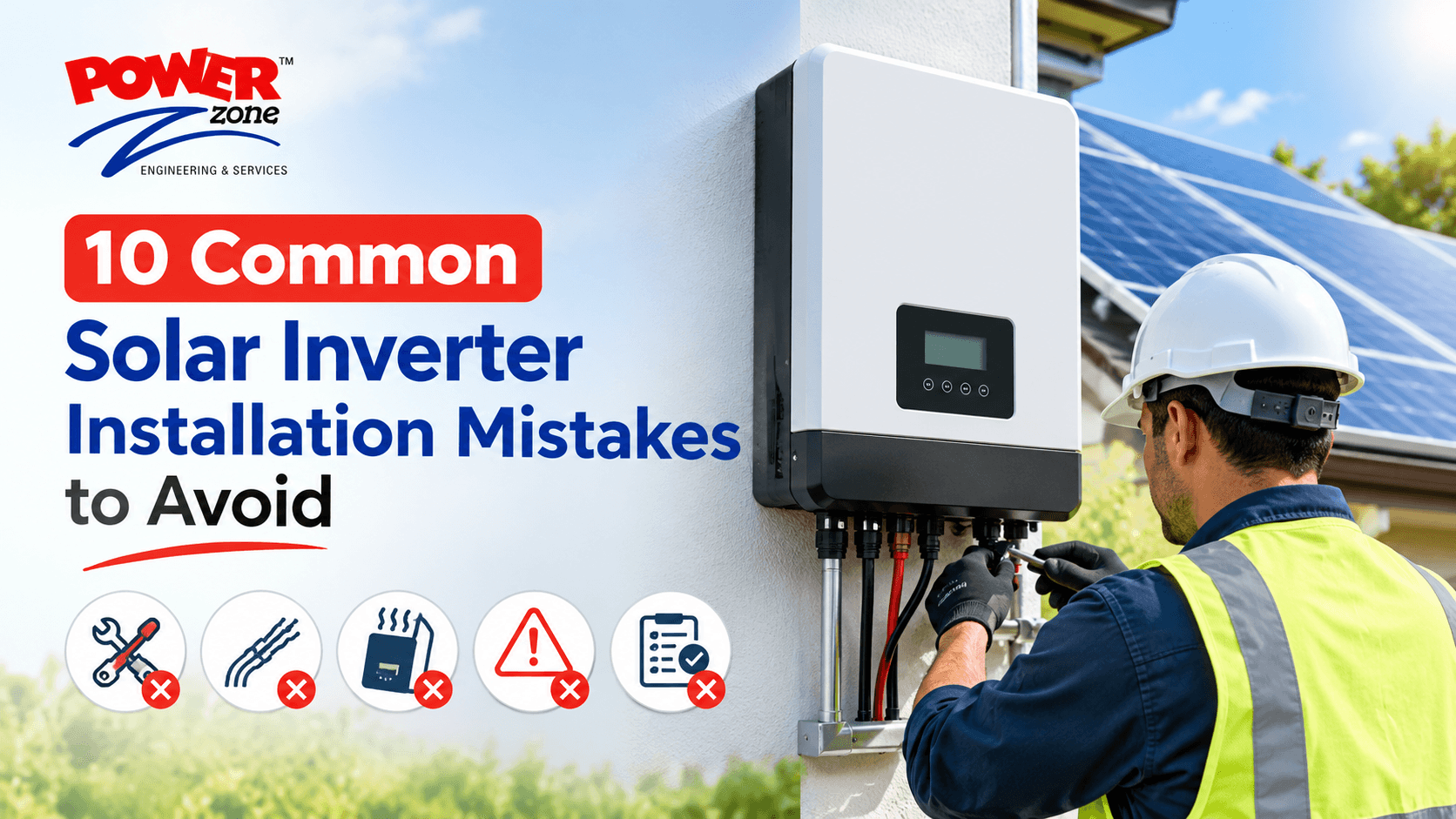
A solar inverter is one of the most important components of a solar energy system. It converts the direct current (DC) electricity generated by solar panels into usable alternating current (AC) power for homes and businesses.
However, even a high-quality solar inverter can perform poorly if it is installed incorrectly. Mistakes during installation can reduce energy efficiency, damage equipment, increase maintenance costs, and shorten the inverter’s lifespan.
10 Common Solar Inverter Installation Mistakes to Avoid
Whether you are installing a new solar system or upgrading an existing one, avoiding these common installation mistakes can help ensure reliable performance and maximum energy savings.
1. Choosing the Wrong Inverter Size
One of the most common solar inverter installation mistakes is selecting an inverter that does not match the solar system requirements.
An undersized inverter may struggle to handle the power generated by solar panels, while an oversized inverter can increase unnecessary costs.
Before installation, consider:
Solar panel capacity
Energy consumption requirements
Future expansion plans
Local climate conditions
Choosing the correct inverter size helps maintain system efficiency and improves long-term performance.
2. Installing the Inverter in the Wrong Location
The installation location plays an important role in inverter performance.
Solar inverters generate heat during operation, so they need proper ventilation and protection from environmental conditions.
Avoid installing inverters:
Under direct sunlight
Near water sources
In poorly ventilated areas
In places with excessive dust or moisture
A cool, dry, and well-ventilated location helps prevent overheating and improves inverter lifespan.
3. Incorrect Wiring and Connections
Improper wiring is a serious installation mistake that can affect safety and system performance.
Common wiring issues include:
Loose connections
Incorrect polarity
Poor cable sizing
Improper grounding
Incorrect electrical connections can lead to power losses, equipment damage, or safety risks.
Professional installation ensures that all connections follow manufacturer guidelines and electrical standards.
4. Ignoring Proper Grounding
Grounding is essential for protecting solar systems from electrical faults and voltage surges.
Poor grounding can increase the risk of:
Equipment damage
Electrical shocks
System failures
A properly grounded solar inverter system improves safety and provides protection during electrical disturbances.
5. Poor DC Cable Management
DC cables connect solar panels to the inverter and must be installed carefully.
Poor cable management can cause:
Energy losses
Cable damage
Overheating
Reduced system efficiency
Installers should use suitable cable sizes, avoid unnecessary cable lengths, and protect cables from physical damage.
6. Installing Without Surge Protection
Solar systems are exposed to electrical surges caused by lightning and grid disturbances.
Failing to install proper surge protection devices can damage sensitive inverter components.
A reliable solar installation should include:
DC surge protection
AC surge protection
Proper grounding systems
These measures help protect the inverter and improve system reliability.
7. Not Considering Temperature Effects
Temperature has a direct impact on solar inverter performance.
Installing an inverter in a hot environment without proper ventilation can cause:
Reduced efficiency
Frequent shutdowns
Shorter equipment life
Installers should consider airflow, mounting position, and local temperature conditions during installation.
8. Incorrect Solar Panel and Inverter Configuration
Solar panels must be properly configured with the inverter to ensure maximum energy production.
Incorrect configuration can cause:
Reduced power output
Poor efficiency
Inverter errors
Important factors include:
Voltage range
Current limits
Maximum power point tracking (MPPT) settings
Correct configuration allows the inverter to operate efficiently under different sunlight conditions.
9. Skipping System Testing After Installation
Some installations fail because proper testing is not completed after setup.
A complete inspection should include:
Checking electrical connections
Testing inverter operation
Monitoring system output
Confirming safety settings
Testing ensures the system is working correctly before regular operation begins.
10. Choosing an Inexperienced Installer
Even the best solar inverter can underperform if installed incorrectly.
An inexperienced installer may overlook:
Safety requirements
Correct system configuration
Manufacturer recommendations
Local electrical regulations
Choosing a qualified and experienced solar installer helps prevent future problems and ensures reliable system performance.
How to Ensure a Successful Solar Inverter Installation
To achieve the best results from your solar system:
Select the correct inverter size
Install it in a suitable location
Use proper wiring and protection
Follow manufacturer instructions
Perform regular monitoring and maintenance
Work with qualified professionals
A properly installed solar inverter improves energy efficiency, increases system reliability, and helps you get maximum value from your solar investment.
Also, read: Chint Inverter Maintenance Checklist
Conclusion
Avoiding common solar inverter installation mistakes is essential for achieving safe, efficient, and long-lasting solar system performance. Incorrect sizing, poor installation location, faulty wiring, and lack of protection can reduce efficiency and increase maintenance costs.
By following proper installation practices and working with experienced professionals, homeowners and businesses can ensure their solar inverter operates reliably for years.
FAQs
What is the most common solar inverter installation mistake?
Choosing the wrong inverter size and installing it in an unsuitable location are among the most common mistakes that affect performance.
Can a solar inverter be installed outdoors?
Yes, but it should be installed in a protected area with proper ventilation and suitable environmental protection.
Why is grounding important in solar inverter installation?
Grounding protects the system from electrical faults, surges, and safety risks.
How long does a solar inverter last?
A quality solar inverter typically lasts around 10 to 15 years, depending on usage, installation quality, and maintenance.
Do solar inverters need maintenance?
Yes. Regular monitoring and inspections help identify issues early and maintain system efficiency.